Use cases
Five domains where a late answer is not an answer
Different industries, one identical failure mode: the system knew what to do, and knew it a second and a half too late.
01 / Physical security
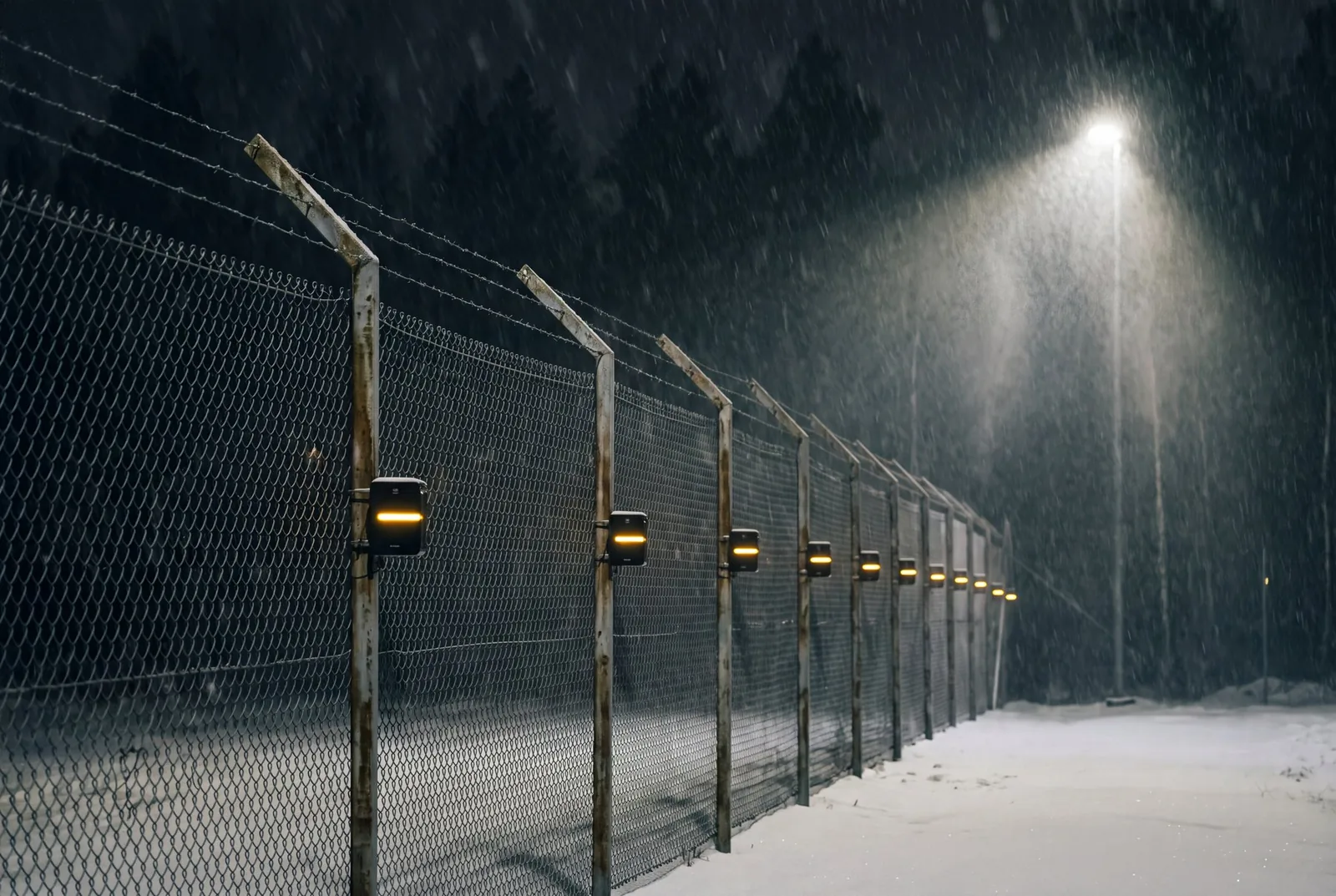
The fence decides at the fence
Perimeter detection lives and dies on false alarms. A fox, a plastic bag and a person climbing produce similar signals to a threshold, and completely different ones to a model trained on that exact site.
Put the classification in the sensor and two things change: the response starts immediately, and the guard stops ignoring the system — which is the failure mode nobody puts in the datasheet.
02 / Cyber & OT
Detection that doesn't wait for the SOC to wake up
Network and operational-technology traffic is the classic edge problem: enormous volume, meaningful patterns, and a response window shorter than the trip to a central analyser. Shipping every packet upstream is expensive, slow, and frequently forbidden.
A model on the segment watches everything, escalates the interesting fraction, and keeps working when the uplink is exactly what the attacker took out first.
03 / IoT fleets & industry
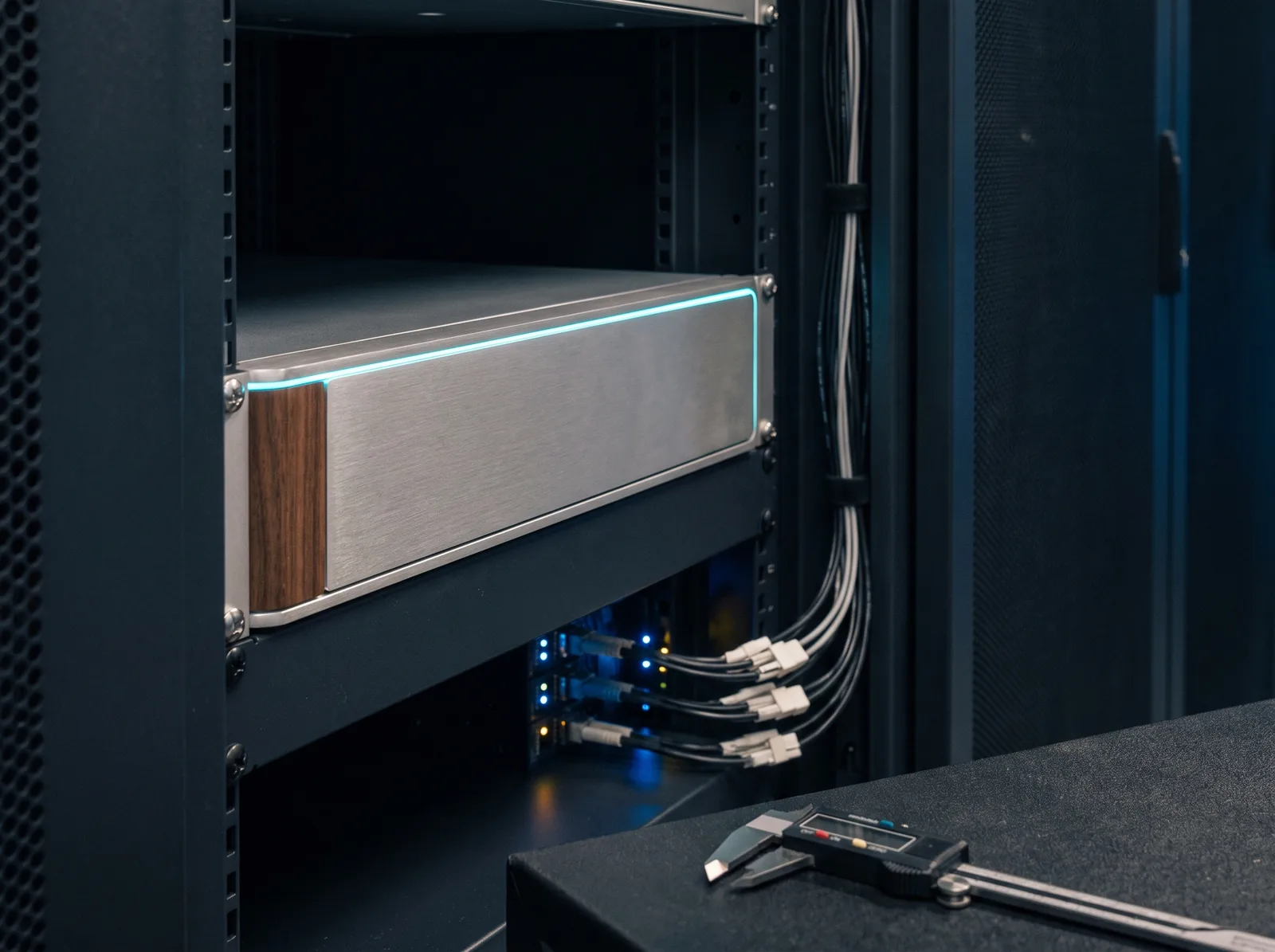
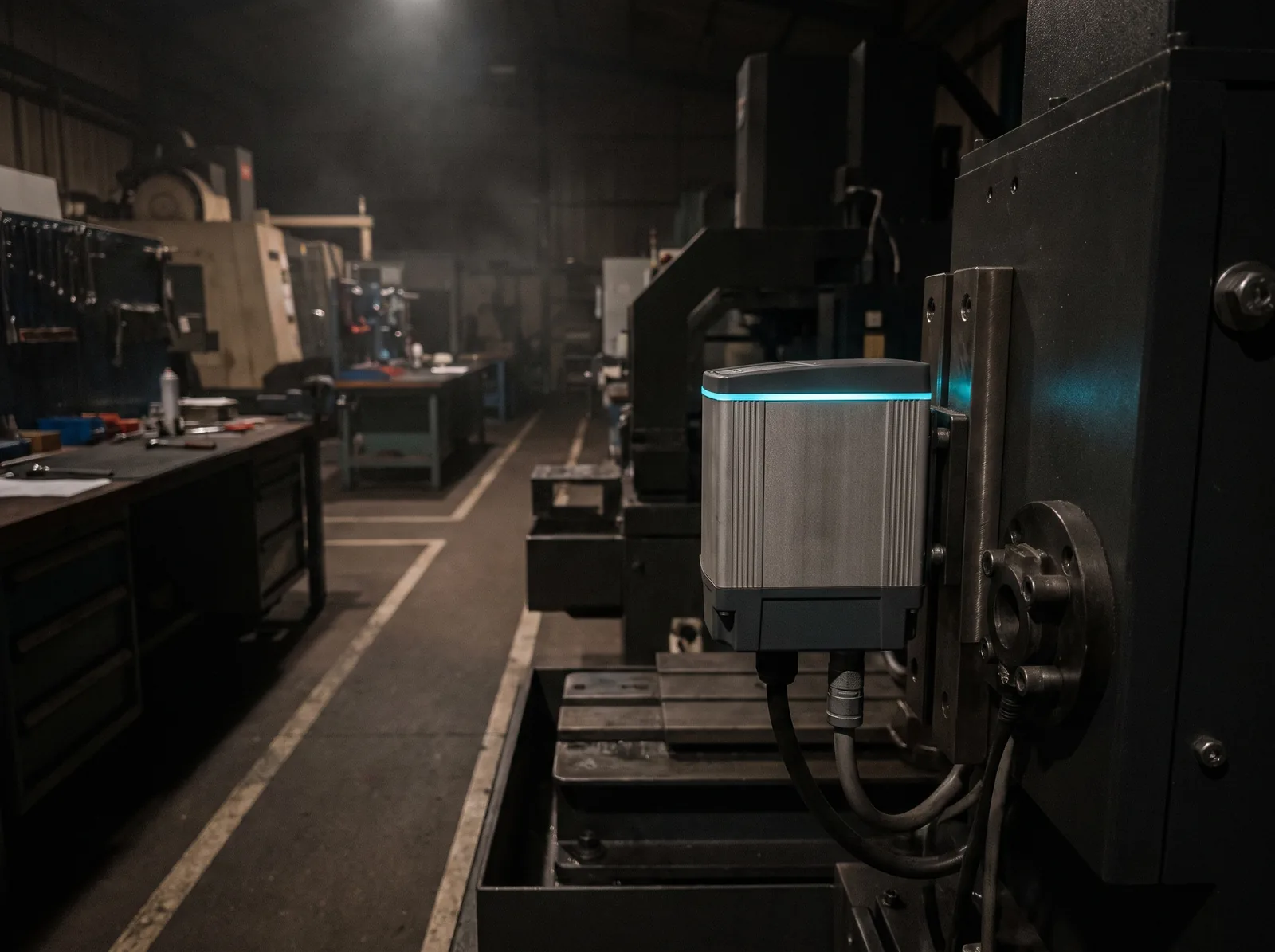
Ten thousand devices, one bandwidth bill
Streaming raw telemetry from a large fleet is a tax that grows with your success. Deciding locally and reporting conclusions turns a firehose into a sentence — and turns connectivity from a dependency into a convenience.
Vibration, temperature, current, acoustics: the anomaly is obvious at the machine and statistically invisible by the time it has been averaged into a dashboard.
04 / Home & building automation
A house that keeps its mouth shut
Homes are the hardest privacy case and the easiest latency case. Microphones and cameras in bedrooms and hallways are precisely the data nobody should be shipping anywhere, and "turn off the lights" is precisely the request that must not take two seconds.
Local voice, local automation, local video. The cloud keeps the account and delivers the updates; the house handles the house. We built exactly this — see ALYT.

05 / Retail & public space
Counting people without collecting them
Footfall, queues, occupancy, shrinkage: valuable signals wrapped in the most sensitive imaginable data. On-device vision resolves the tension — the camera produces a number, and the frame it came from never exists anywhere else.
It also makes a hundred-site rollout a hardware cost rather than a video-bandwidth negotiation with a landlord.
Every one of these products can be built badly in the cloud, demoed beautifully, and then quietly fail its first bad week.
Your industry isn't listed?
The pattern is the same everywhere it's urgent.
Sensor, decision, response — with a deadline measured in milliseconds and a network you cannot trust. If that describes your problem, the domain barely matters.